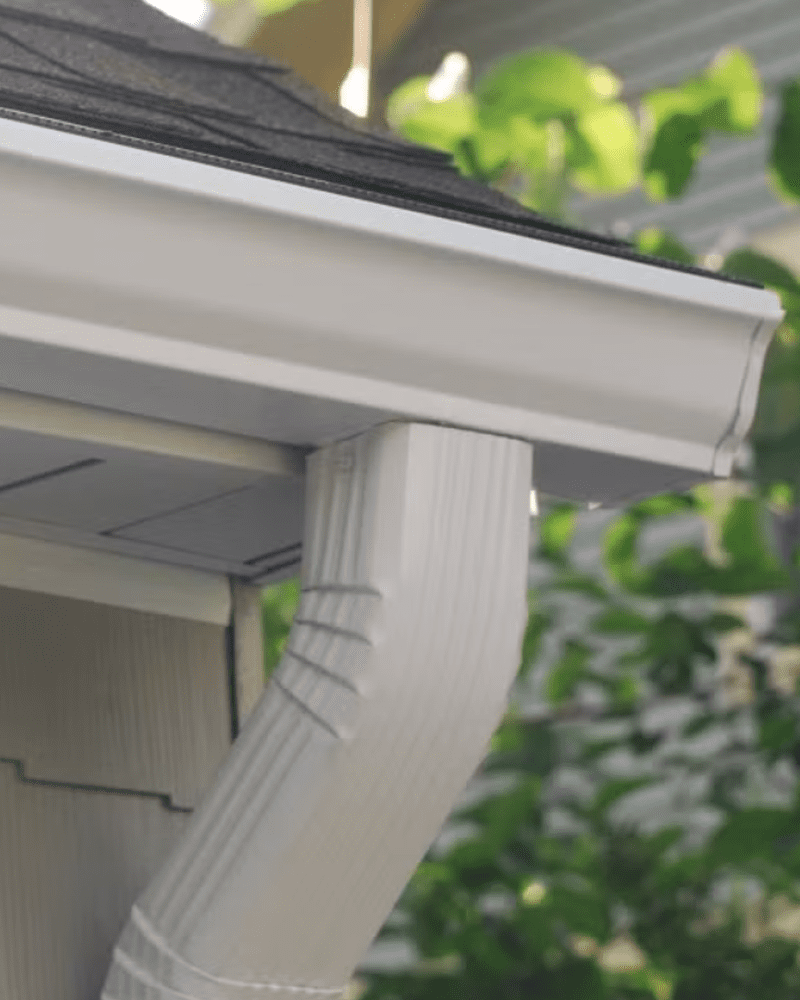
Seamless Gutter Contractors Zachary

Gutter Replacement: When and Why to Upgrade

Gutters quietly play a vital role in protecting your home by channeling roof runoff safely away from siding, fascia, and the foundation. But like any component, they eventually wear out. Knowing when to repair versus when to replace them—and understanding the benefits of a new system—can save you headaches, prevent damage, and improve long-term performance.

1. Typical Gutter Lifespan & What Affects It

  • The lifespan of gutters varies by material:
    • Vinyl gutters often last 10–15 years under typical conditions.
    • Aluminum and galvanized steel gutters can last 20–40 years, depending on maintenance, climate, and quality.
    • Premium materials like copper may last even longer, though cost is also higher.
  • Key external factors that shorten gutter life:
    • Harsh weather (freeze-thaw cycles, heavy storms)
    • Accumulation of debris, which increases stress on the gutters
    • Poor maintenance (e.g. never cleaning, not repairing small damage)
    • Structural shifts or settling of the home
  • Because of these variables, many professionals use “around 20 years” as a rough benchmark for replacement under normal usage.

2. Warning Signs & Red Flags That You Need Replacement

Here are important indicators that your gutters may need full replacement rather than patch repairs:

If you see multiple of these signs, replacement is often more cost-effective and safer long-term than repeated patching.

3. Benefits of Upgrading Your Gutters

Upgrading your gutters offers several advantages over sticking with an aging, compromised system:

  • Improved performance & drainage
    New gutters installed with proper pitch, sizing, and modern materials divert water more efficiently.
  • Fewer leaks & maintenance
    Newer designs—especially seamless systems—offer fewer joints and weak spots.
  • Better durability & longevity
    Using modern materials, thicker gauges, and better fasteners extends the useful life.
  • Prevention of collateral damage
    A reliable gutter system protects your siding, foundation, landscaping, and interior from water intrusion.
  • Aesthetic & curb appeal
    Clean, well-fitted gutters enhance the look of the house versus old, sagging, rusted gutters.
  • Opportunity for improvements
    Replacing gives you a chance to select upgrades like gutter guards, larger downspouts, or copper accents.

4. Planning & Replacing Gutters: What the Process Looks Like

Here’s a step-by-step outline of the replacement process:

  1. Inspection & Planning
    • Contractor inspects existing gutters, fascia, roof edges, slope, and drainage paths.
    • Evaluate whether underlying components (fascia boards, soffits) need repair.
    • Decide on material, color, style (e.g. K-style, half-round, box gutters).
  2. Material Selection & Sizing
    • Choose durable material (aluminum, copper, steel, etc.).
    • Select proper dimensions (5″, 6″, oversized) and downspout volume.
    • Consider gutter guards or screens if desired.
  3. Removal of Old Gutters
    • Carefully detach old gutters, removing hangers, clips, and fasteners.
    • Inspect and repair or replace damaged fascia, soffits, or trim.
  4. Installation of New Gutters
    • Install new mounting hardware and brackets.
    • Ensure consistent slope toward downspouts (typically around ¼” drop per 10 ft, depending on code/standard).
    • Fit gutters, joiners, corners, end caps, and downspouts.
    • Seal joints and transition points using appropriate sealant or flashing.
  5. Testing & Cleanup
    • Run water through the new system to check for leaks and proper flow.
    • Make minor adjustments if necessary.
    • Clean up debris, remove old materials, and leave site tidy.
  6. Follow-up Inspection & Maintenance Plan
    • Periodically inspect for clogs, leaks, and fastener integrity.
    • Clean out debris (typically twice a year or more in heavily wooded areas).

Many replacement projects for a typical house can be completed within a day or two, assuming no major structural repairs are needed.

5. Cost Considerations & Budgeting

When planning gutter replacement, budget for:

  • Material costs — Aluminum, steel, copper, etc., vary widely
  • Labor and installation — Skilled work, roof access, custom fitting
  • Removal and disposal of old gutters
  • Additional repairs — Fascia, soffits, roof edge, flashing
  • Upgrades / extras — Gutter guards, splash blocks, decorative accents

Because cost depends heavily on home size, roof complexity, and material choices, always get multiple estimates and check that each covers full scope (materials, labor, warranty).

Summary

Gutters are essential for managing water around your home, but even the best systems eventually wear out. Watching for signs like sagging, leaks, rust, or pooling water can help you know when to replace instead of patch. Upgrading to a new system gives you a fresh start—with improved performance, less maintenance, and better protection for your structure. When done properly, gutter replacement is an investment in your home’s durability, safety, and curb appeal.

Get in touch

Transform Your Home with Premium Gutters 4less

Seamless Gutters: Cost, Benefits, and Installation Guide

What Are Seamless Gutters?

Seamless gutters (also called “continuous gutters”) are custom-fabricated on-site from a single length of material that runs the length of your roofline, eliminating the multiple seams and joints found in sectional gutters. Seams remain only at corners or where downspouts attach.

Because they are custom cut to the exact measurements of your home, seamless gutters reduce the potential for leaks and debris accumulation.

Cost Breakdown: What You’ll Pay & What Impacts Price

Typical Cost Ranges

  • Seamless gutters generally run somewhere between $3 and $40 per linear foot, depending on material, complexity, and region.
  • For many standard homes, a full seamless gutter installation might land in the $1,000 to $5,000 range, though more elaborate or larger homes can exceed that.
  • Some estimates peg the cost for 200 linear feet (a common benchmark) around $1,092 to $4,456, with an average in the low $2,700s.
  • In other analyses, professionals report ranges of $8 to $15 per linear foot for seamless gutter installation, depending on materials and complexity.

Benefits of Choosing Seamless Gutters

  1. Lower Leak Risk
    Fewer seams mean fewer vulnerable joints where water can seep through.
  2. Better Aesthetics & Custom Fit
    Seamless gutters look clean and continuous; they’re matched exactly to your roofline without visible patchwork.
  3. Reduced Maintenance
    Because there are fewer places for leaves and debris to collect, seamless gutters tend to clog less and require less frequent cleaning.
  4. Longer Lifespan
    With robust materials and reduced joint wear, seamless gutters can last decades with proper care.
  5. Improved Home Protection
    A well-installed gutter system protects siding, foundation, landscaping, and roof edges by channeling water away safely. (This benefit is shared with all good gutters, but seamless systems reduce failure points.)
  6. Potential Value Advantage
    Investing in seamless gutters can be a selling point and may reduce future repair costs caused by leaks or poor drainage.

Step-by-Step Installation Guide

Note: Seamless gutter installation is best left to professionals because it requires specialty machinery, precise measuring, safe roof work, and custom cutting.

1. Planning & Measurement

  • The installer surveys your rooflines, noting corners, slopes, downspout positions, and any architectural complexities.
  • Linear footage is calculated, factoring in overhangs, drop-offs, and transitions.

2. Fabrication on Site

  • A mobile gutter-forming machine (a roll-former) is brought to the property.
  • Sheets of metal (aluminum, steel, etc.) feed through the machine, creating continuous gutter segments custom to your measured lengths.

3. Mounting & Pitch Adjustment

  • Gutters are fastened to the fascia with hidden hangers or brackets.
  • A slight slope is built into each run so water naturally flows toward downspouts (typically ¼ inch of fall per 10 feet or similar standard).
  • The installer checks that the gutters are level laterally and properly aligned.

4. Corners, Joints, and End Caps

  • Seamless gutters still require corner joints or mitered connections; these are sealed and reinforced.
  • End caps are installed at the ends of runs.
  • Transition points where the gutter meets downspouts are fitted and flashed.

5. Downspout Installation & Extension

  • Downspouts are attached at designated spots.
  • Extensions or elbows may be used to divert water further from your foundation.

6. Final Testing & Cleanup

  • The system is tested by running water to confirm drainage and detect leaks.
  • Sealants or adjustments are made where needed.
  • All debris and old materials (if replacing) are removed.

Tips & Best Practices

  • Get multiple bids: Compare workmanship, warranty, and material, not just price per foot.
  • Check licensing and insurance: Ensure contractors are bonded and insured to work on roofs safely.
  • Choose materials wisely: Aluminum is a good balance for many homes; copper, steel, or specialty materials may be worth it for long-term or aesthetic goals.
  • Ask about warranties: Many installers offer material and workmanship warranties.
  • Incorporate gutter guards: Even seamless systems can benefit from leaf filters or guards to reduce maintenance.
  • Plan for future access: Leave space for ladders and cleaning access points.
  • Inspect regularly: Even though seamless gutters reduce failure points, regular checks and cleaning (twice per year is typical) help maximize life.

Conclusion

Seamless gutters offer a compelling upgrade over sectional systems, thanks to their clean aesthetics, reduced leak potential, lower maintenance burden, and enhanced longevity. While the upfront cost is higher — typically somewhere from $3 to $40 per linear foot, with many installations falling in the $8–$15 per foot range — the long-term payoff often justifies the investment. As with any home-improvement project, the final cost depends heavily on materials, labor, and the architectural complexity of your home. For the best results, rely on reputable, experienced installers, review multiple quotes, and plan for periodic maintenance.

Get in touch

gutter-cleaning-services

Why Regular Gutter Cleaning Keeps Your Home Safe

Gutter Cleaning

Gutters might seem like a minor component of your home’s exterior, but they play a critical role: channeling rainwater safely away from your roof, walls, and foundation. When gutters are clogged or poorly maintained, water can no longer flow where it’s supposed to. Over time, this seemingly small issue can lead to major damage—and serious safety risks.

Here’s a look at the many ways regular gutter cleaning protects both your home’s structure and your family’s well-being.

1. Prevents Water Intrusion and Interior Damage

  • When gutters are blocked, rainwater can spill over the sides, run down your siding, or seep into the fascia and walls, eventually penetrating into ceilings, walls, or basements.
  • Ongoing moisture infiltration can lead to rot in structural wood, damage to drywall or insulation, and compromised walls and ceilings.
  • Leaks that start at the roof edge or gutters may find their way into interior spaces, promoting mold growth, which in turn affects indoor air quality and can pose health concerns.

2. Protects Foundation and Basement

  • One of the primary jobs of gutters is to divert rainwater away from your home’s foundation. Clogged gutters allow water to pool near the base, increasing hydrostatic pressure against walls and potentially causing cracks or shifting in the foundation.
  • Over time, repeated water exposure may lead to basement flooding or dampness, damaging stored belongings and creating mold-friendly conditions.

3. Prevents Damage to Roof, Fascia, Soffits, and Eaves

  • Standing water and debris accumulating in clogged gutters add significant weight. This extra load can pull gutters and their attachments away from the house, strain the fascia boards, and damage soffits or eaves.
  • When gutters overflow, water can back up onto the roof or under shingles. This may accelerate shingle deterioration, cause leaks between roof layers, or compromise roof sheathing.
  • Ice dams are more likely in gutters that are full of debris, because the blockage traps meltwater which refreezes at the gutter edge and forces water under roof materials. This can result in leaks and structural damage.

4. Reduces Risk of Pest Infestations and Mold

  • Clogged gutters with stagnant water and decaying leaves become ideal breeding grounds for mosquitoes, insects, and other pests.
  • The damp, shaded environment may also encourage moss, algae, and mold growth on the gutters, roof edges, or siding—posing both aesthetic and structural risks.

5. Prevents Soil Erosion and Landscaping Damage

  • When gutters overflow, water may be directed down and around the base of your home, eroding soil, damaging plantings, and undermining hardscaping surfaces like walkways or patios.
  • Poor drainage near your home can also disturb grading, causing water to flow back toward the foundation rather than away from it.

6. Extends the Life of Gutters and Roof Systems

  • Regular cleaning keeps gutters light, unobstructed, and functioning as intended, preventing undue strain on brackets and attachments.
  • It also allows you to spot and repair small issues (e.g., leaks, loose fasteners, damage) before they become costly failures.
  • By preventing water backup, roof damage, and structural stresses, regular maintenance helps protect your roof investment and delays the need for major repairs or replacement.

7. Improves Home Safety and Reduces Long-Term Costs

  • Water damage, foundation issues, structural rot, and pest infestations are not just costly—they can create unsafe living conditions (e.g., weakened supports, interior water leaks, mold exposure).
  • Addressing gutter problems early is far less expensive than repairing major structural, roofing, or foundation damage down the line.
  • In some regions, maintaining your home (including gutters) may also help avoid insurance claims or disputes over neglect.

Best Practices & Maintenance Recommendations

  • Clean gutters at least twice a year (typically spring and fall). In areas with heavy tree cover or after storms, more frequent cleanings may be necessary
  • Use proper safety precautions: sturdy ladder, gloves, eye protection, and avoid working in wet or icy conditions.
  • Inspect downspouts and flush them with water to remove hidden blockages.
  • Check for leaks, holes, sagging sections, or loose hangers while cleaning, and repair promptly.
  • Consider installing gutter guards or screens to reduce debris buildup (though these are not substitute for occasional cleaning)

Conclusion

Regular gutter cleaning is far more than a chore—it’s a proactive, relatively low-cost way to protect your home’s structural integrity, safeguard indoor environments from moisture or mold, and avoid expensive repairs down the road. In short: keeping your gutters clear is one of the most effective things you can do to keep your home safe, sound, and long-lasting.

Get in touch